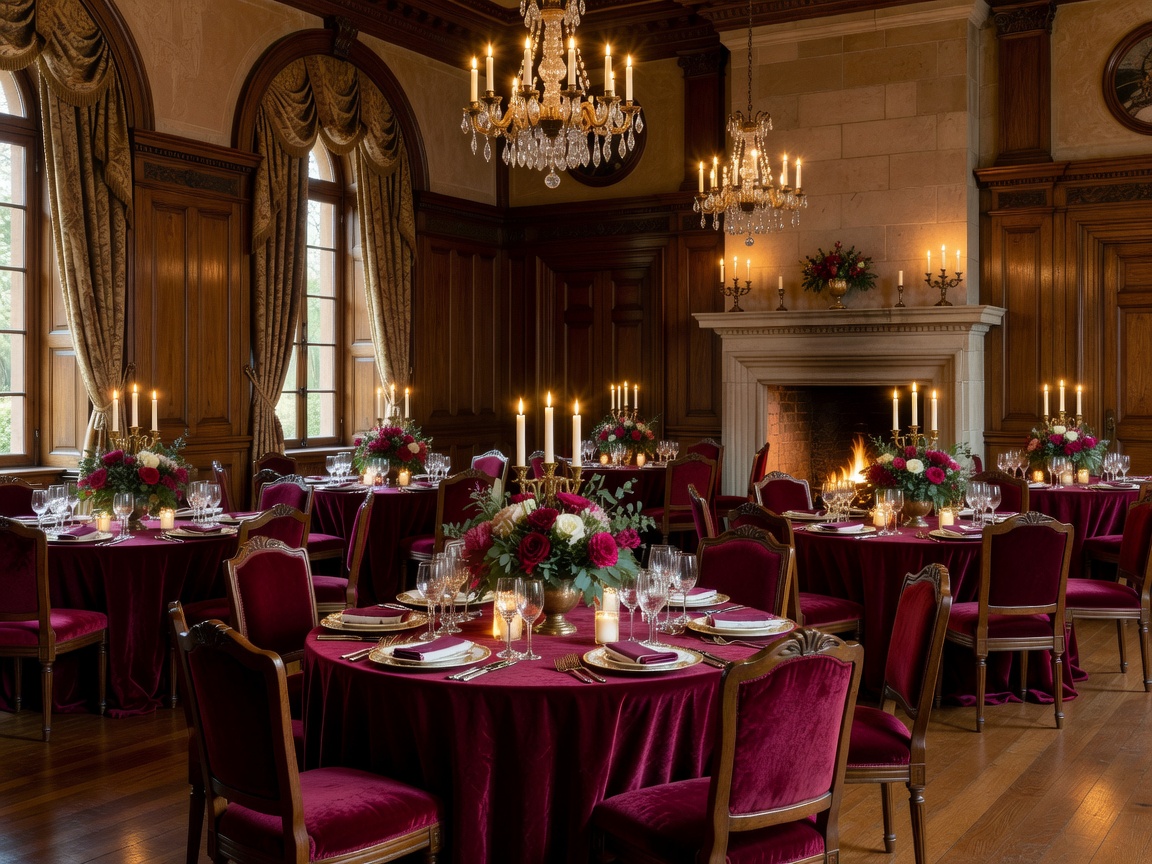
A manor setting can bring historic rooms, gardens and accommodation into one event plan. It can also involve a listed or older building, a rural location and spaces that serve more than one purpose. Treat the venue as a working site, not only a backdrop. Confirm how guests arrive, where each part of the event takes place and what happens if the original plan changes.
Match the event to the space
Weddings may use a garden, courtyard, salon or dining room for a ceremony and reception. Private gatherings can prioritize a shared meal, a family room or outdoor time. Corporate events may need a meeting room, presentation equipment, quiet break areas and dependable connectivity. Cultural events may bring audience access, technical needs and a different room layout. Ask which spaces are available for your dates and what uses are permitted.
Do not infer capacity from photographs. Request the venue’s safe, approved capacity for each room configuration, including seated dining, ceremony seating and standing reception. Ask whether the stated number includes staff, performers or service teams. A room that fits everyone for one activity may not suit a different layout. Confirm furniture, circulation routes, emergency exits and accessible seating.
Intimate manor event vs large manor event
| Planning point | Intimate gathering | Large gathering |
|---|---|---|
| Guest count | Prioritize a room that feels proportionate and allows comfortable movement. | Use confirmed capacities for each phase, not a single headline number. |
| Room plan | One room may work for dining and conversation. | Separate arrival, dining, presentation and quiet areas may be needed. |
| Accommodation | Ask which guests can stay on site and whether rooms are reserved. | Plan overflow lodging and transfers if rooms are limited. |
| Catering | Confirm menu format, dietary needs and service timing. | Agree service sequence, equipment, access and supplier responsibilities. |
| Parking | Estimate vehicles and accessible spaces with the venue. | Plan arrival waves, coach access and a clear departure process. |
An intimate event may be simpler to coordinate and can suit a single historic room. A large event requires more space, staffing, transport and accommodation coordination. Neither scale is inherently easier: a small group may have specialized access or catering needs, while a large group may benefit from a dedicated event team. Select using actual requirements rather than assumptions about the venue’s size.
Indoor and outdoor options
Outdoor ceremonies and receptions depend on weather, ground conditions and permissions. Ask what indoor space can act as a genuine backup, whether it is available at the same time, and whether the change affects seating or sound. Clarify who makes the weather decision and by when. Check routes between outdoor areas and the building, including steps, lighting and surface suitability. Provide shade, shelter or warm layers where relevant to the season.
Historic interiors may have limits on candles, fixings, amplified sound, equipment loads or moving furniture. Confirm these rules before planning décor, entertainment or a stage. Ask about power outlets, sound levels, setup access, supplier arrival windows and room reset responsibilities. Restoration details should be protected during installation and removal.
Food, rooms and guest logistics
Establish whether the venue provides catering, permits outside suppliers or has a specific dining arrangement. Discuss menu choices, dietary requirements, service timing, children’s meals and late-evening refreshments. Confirm the number of dining covers the room can support in the required layout. For guest rooms, ask about room allocation, booking deadlines, check-in, breakfast, luggage and whether guests are spread across buildings.
Transport planning needs a clear arrival address, parking instructions, taxi or transfer options and a departure plan. Rural sites may not have frequent public transport nearby. Do not assume guests can arrange a late return without advance planning. Share directions and timing with invitees, and identify who will handle on-site questions. Confirm accessibility for the route from parking to rooms and event spaces.
Good for
Manor venues may suit celebrations that value historic architecture, a countryside setting, on-site rooms or a combination of indoor and outdoor spaces. They can also work for meetings and cultural gatherings that benefit from a distinct environment. The right choice depends on capacity, accessibility, privacy, facilities and travel needs.
What to know
Request written information on room capacities, event hours, noise rules, payment and cancellation terms, supplier policies, accommodation, catering and weather contingencies. Check parking and step-free routes. Confirm what is included, who supervises the event and what happens if a space becomes unavailable. No venue capacity, service or event date should be assumed without current confirmation.