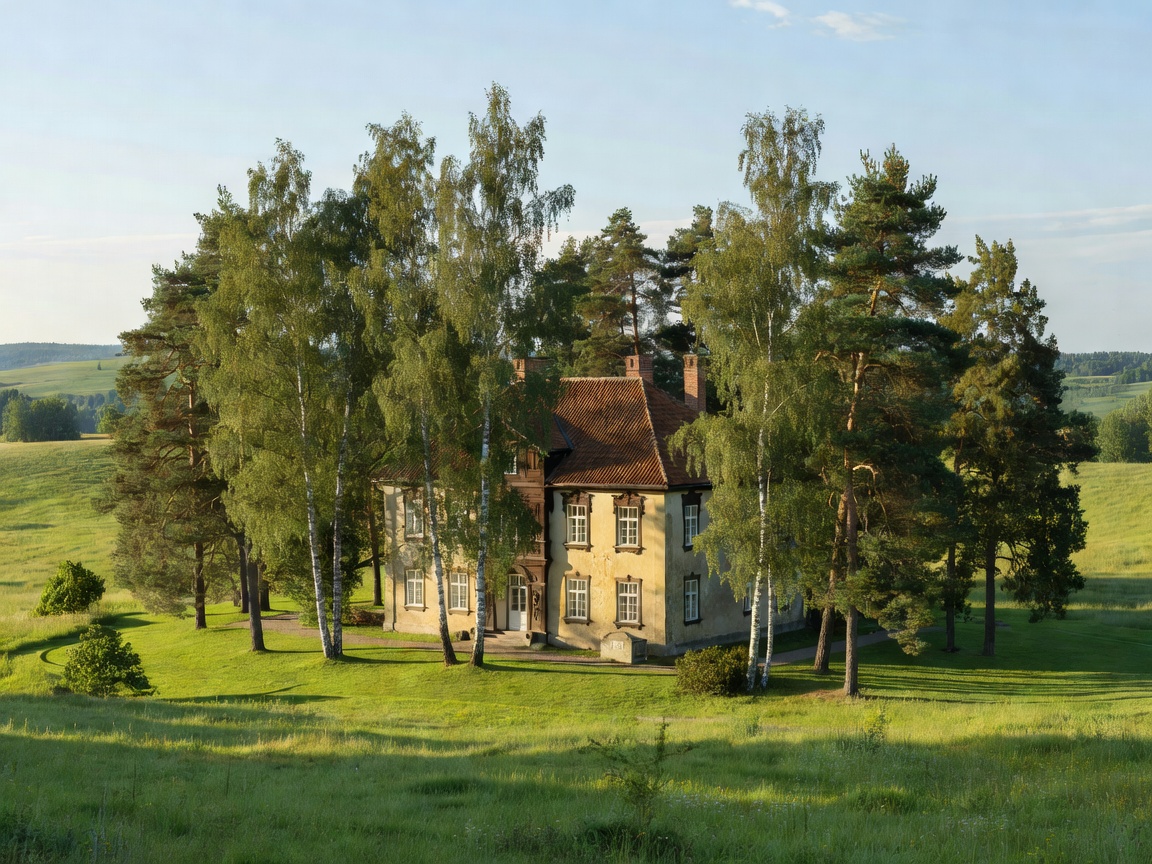
A manor hotel is not one fixed accommodation category. The label can describe a restored manor house with guest rooms, a larger estate with several buildings, a small boutique property in a historic setting or a countryside venue that combines overnight stays with events. Facilities, access and the amount of original fabric differ. Treat the building’s history and the present-day offer as separate questions.
Know the main property types
Restored manor houses place guests inside or close to a historic residence. Room numbers may be limited, and layouts may follow the building rather than a standard hotel plan. Expect individual rooms, varied proportions and shared historic circulation such as staircases or corridors. Confirm lift access, bathroom arrangements and luggage support where these affect your plans.
Estate-style stays may use a main house alongside outbuildings or later accommodation. This can provide more space for groups, dining or events, but guests may sleep in different buildings. Ask which structure contains your room, how far it is from reception or dining, and whether the route is lit and step-free.
Boutique heritage properties usually prioritize a smaller, considered room offer. Some retain architectural details; others use contemporary interiors within a historic envelope. Event-oriented properties organize some facilities around gatherings. They can suit groups seeking rooms and event space in one setting, but a private function may affect noise, dining access or the feel of shared areas. Confirm whether dates overlap with events.
Rooms, facilities and service details
Room types can include standard double rooms, larger suites, family arrangements or rooms in separate buildings. Do not assume every property offers all formats. Request bed configuration, occupancy limits, bathroom details and whether adjacent rooms can be arranged. If you need accessible accommodation, describe the specific requirements: step-free arrival, doorway width, bathroom support, lift availability and distance to shared facilities. Historic buildings can impose constraints that are not obvious from photographs.
Common facilities may include reception, dining rooms, lounges, gardens, meeting rooms or parking. Wellness facilities, such as a sauna or treatment space, are property-specific and should never be assumed from the manor setting. Ask whether use is included, requires advance booking or has restricted hours. For dining, establish whether meals are served on site, whether reservations are necessary and what alternatives exist nearby. Confirm dietary needs directly and in advance.
Manor stay vs standard hotel
| Factor | Manor stay | Standard hotel |
|---|---|---|
| Atmosphere | Historic fabric and individually varied spaces may shape the stay. | More consistent room layouts and service patterns are common. |
| Architecture | Features and circulation can reflect a historic building. | Typically designed around modern hotel functions. |
| Facilities | Offer varies with property size and adaptation. | Facilities may follow a more standardized format. |
| Location | Often outside major centres; verify onward access. | May be closer to urban services or transport hubs. |
| Accessibility | Older layouts can create barriers. Ask specific questions. | Requirements may be easier to compare, but still need confirmation. |
| Privacy & events | Estate grounds can feel separate; events may share spaces. | More predictable public areas; event facilities vary. |
A manor stay can offer a strong sense of place and distinctive rooms. The trade-off may be fewer standardized conveniences, more stairs or a rural location. A standard hotel may simplify transport or room consistency, but offer less connection to historic architecture. Neither is automatically better. Match the format to the group, trip purpose and required facilities.
Cost and booking considerations
Do not compare a room rate without checking what is included. General cost factors include season, room type, location, facilities, event demand and accommodation category. A suite, private event date or remote location can change the overall budget. Ask about deposits, cancellation terms, meal arrangements, taxes, parking and charges for optional facilities. Availability and prices change; obtain current terms directly from the property.
Good for
Manor accommodation can suit visitors interested in historic interiors, countryside settings, small-group stays, cultural travel or a gathering that needs rooms and event space together. It may be less suitable when step-free access, frequent public transport or a wide range of late-night services is essential and cannot be confirmed.
What to know
Ask which building contains your room, what is open during your dates, how meals work, whether an event is scheduled, and what accessibility features are available. Confirm parking and arrival instructions. Read cancellation and payment terms before committing. Property information can change, so confirm operational details directly rather than relying on a general category description.